
Quick Specs
 Family, strategy (engine-building)
 10+
10+ ~2.4/5 light–medium
 1–5 (best at 3)
 ~40–70 min
 Engine building, card-driven tableau, dice drafting, hand management, set collection, end-of-round goals
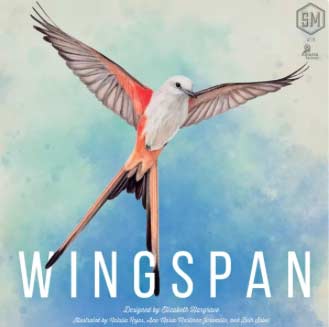
Wingspan is the kind of board game that makes people lean in to read bird names like they’re spotting wildlife in real life. You’re building a personal wildlife preserve—collecting birds, laying eggs, and creating an engine across three habitats that turns simple actions into satisfying chains. It’s calm on the surface and gorgeous on the table, but what keeps it coming back is how rewarding it feels to build an ecosystem that works.
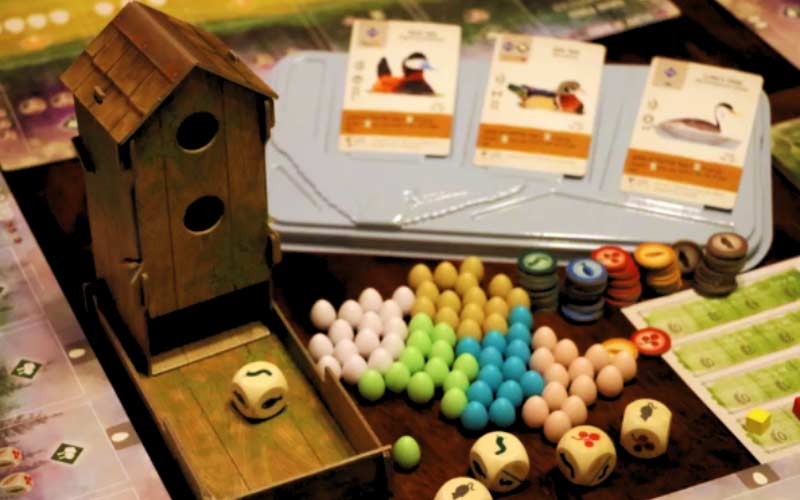
Gameplay blends tableau building with a clean action-selection puzzle. On your turn you’ll usually do one of three things: play a bird, gain food, or lay eggs (with a fourth option—draw cards—depending on what you need). Playing a bird is the main event: you pay its food cost, tuck it into one of your habitats, and immediately add a new ability to your engine. Gaining food uses a shared dice tower where you draft what’s available, while laying eggs and drawing cards scale up as your habitats fill in. The catch is timing: every bird you play makes one action better, but it also costs an action you could have spent cashing in your existing engine.
The four-round structure gives Wingspan its cozy rhythm. Early turns feel foundational: you’re hunting for a few key birds and enough food to get them down. Midgame is where your engine starts to hum—actions become more efficient, bird powers trigger in sequence, and you begin choosing turns that do multiple jobs at once. By the final round, your decisions shift toward point conversion: eggs, tucked cards, cached food, bonus cards, and end-of-round goals all compete for your last few actions.
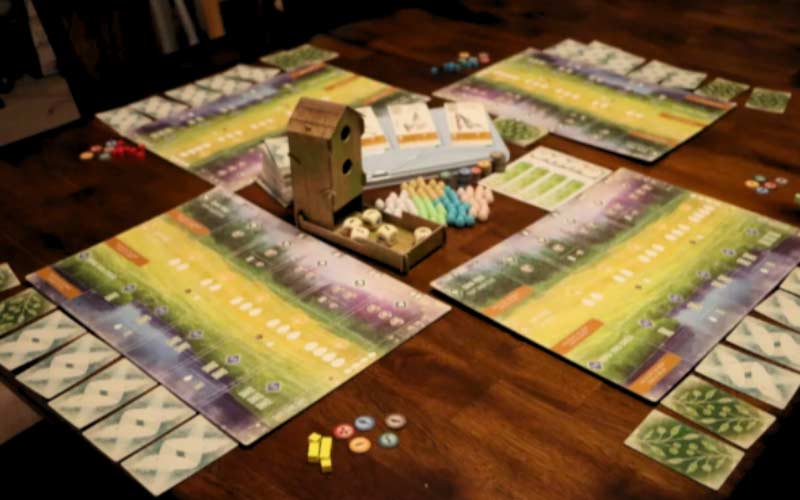
A big part of the charm is the card ecosystem itself. Birds aren’t just points; they’re tools—some generate resources, some draw, some score, some enable combos, and many create little “mini objectives” you can chase. Meanwhile the shared bird market and food dice create gentle table interaction: you’re watching what’s out, taking what you need before it disappears, and occasionally pivoting when the perfect bird shows up for someone else.
Interaction is soft but meaningful. You’re competing for end-of-round goals, racing for high-value birds, and sometimes benefiting from other players’ actions through shared effects. It’s rarely confrontational, but it’s not multiplayer-solitaire either—the shared markets and goals keep everyone paying attention without creating bad feelings.
Who is Wingspan good for?
- Players who love engine-building and satisfying turn sequencing.
- Families and mixed groups who want something strategic but approachable.
- Aesthetic-first gamers who want theme and presentation that genuinely lands.
- Solo players who want a calm, puzzly run with lots of replay value.
It’s less ideal for players who want high conflict or tight, tactical blocking every turn. For everyone else, Wingspan is a modern classic comfort game: welcoming, smart, and endlessly replayable—where building a great engine feels as peaceful as it is satisfying.

