
Quick Specs
 Strategy / Deck-Building / Worker Placement
 14+
14+ ~3.2/5 (Medium–Heavy)
 1–4 (best at 3–4)
 ~60–120 min
 Deck-Building, Worker Placement, Resource Management, Area Control, Combat, Variable Player Powers, Influence Tracks
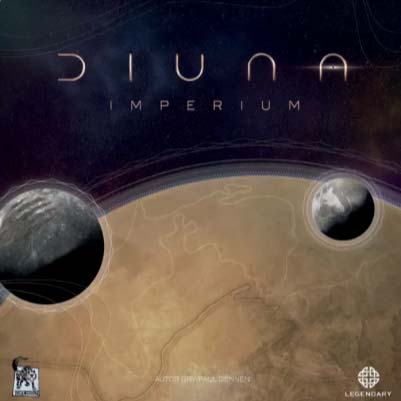
Dune: Imperium is the perfect hybrid for players who love deck-building and tactical placement. Set in the universe of Arrakis, it combines intrigue, alliances, and desert warfare: you’re sending agents, recruiting troops, managing resources, and building your deck all while jockeying for control over the spice and influence. It’s smooth, strategic, and full of tense “one turn can flip everything” moments.
What it is
This is a strategy game that blends deck-building with worker placement. Players use cards to determine which spaces they can send their agents to and to gain resources, influence, or combat units. Each location offers tactical choices: gain money, spice, troops, or sway factions. The ultimate goal is to earn the most victory points through influence, combat victories, and faction alignment.
The setup
Each player chooses a leader with unique powers, starts with a basic deck of cards, and places agents on the board. The central board shows faction tracks, conflict zones, and locations for agent placement. Resource tokens and victory point markers are ready, and the conflict deck is shuffled to add tension to combat rounds.
How it plays
Each turn, players reveal a hand of cards, use them to send agents to board locations, acquire resources, and add new cards to their deck. Combat occurs periodically, triggered by conflict spaces, and faction tracks offer bonuses for aligning with different factions. Deck-building drives your agent placement: the better your cards, the stronger your positioning options. The tension comes from balancing short-term gains (spice, troops) with long-term strategy (influence and victory points).
Why the pacing works
- Early game: players set up resources, gain early influence, and draft cards to strengthen future turns
- Midgame: the board fills with agents, conflict escalates, and tactical decisions become sharper
- Late game: victory points and influence tracks become decisive; one well-timed attack or agent placement can swing the game
Table feel
Dune: Imperium is interactive and competitive without being chaotic. Players contest locations, faction bonuses, and combat zones, but there’s plenty of room for engine-building and planning. Best at 3–4, where interaction is high but not overwhelming. Solo or 2-player variants exist but scale differently.
Who it’s for
- Groups who love medium-heavy strategy with multiple paths to victory
- Players who enjoy deck-building, area control, and tactical decisions
- Best for campaign-style sessions or game nights where this is the main event
- You’ll like it if you want a rich, thematic strategy game with meaningful choices every turn
Less ideal for
- Not great for casual players or those intimidated by multiple systems at once
- Avoid if your group dislikes competition or tight tactical interaction
- Also note: luck exists in card draws and combat, but skillful play mitigates most swings
Desert Meeples Beginner Tip + Verdict
New to Dune: Imperium? Focus early on balancing deck-building with agent placement. Don’t overcommit to a single resource or faction too quickly—flexibility wins. Pay attention to upcoming conflict rounds and time your troop builds strategically. Also, always watch your opponents’ positions; Dune rewards forward planning as much as tactical execution.
Verdict: Dune: Imperium is a fantastic hybrid of deck-building and worker placement with deep thematic flavor. It’s tense, strategic, and rewarding—perfect for players who love managing multiple systems while staying immersed in the intrigue and battles of Arrakis.