Benefits of Board Games
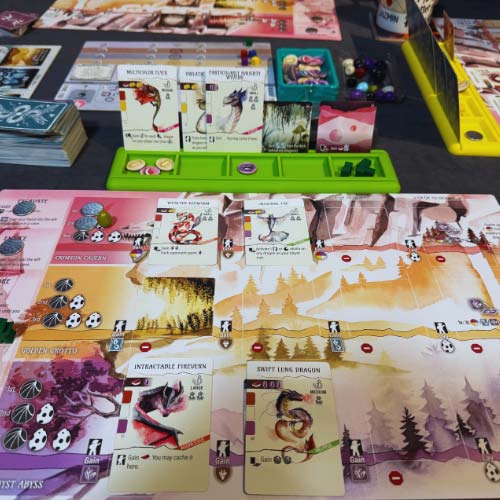
In a world that keeps getting louder, faster, and more screen-filled, board games offer something quietly radical: a shared pause. They don’t just entertain; they create a small, structured space where attention settles, emotions have room, and people reconnect face-to-face. That mix—focus, feeling, and fellowship—is why tabletop gaming can meaningfully support mental wellbeing for both children and adults.

For Kids
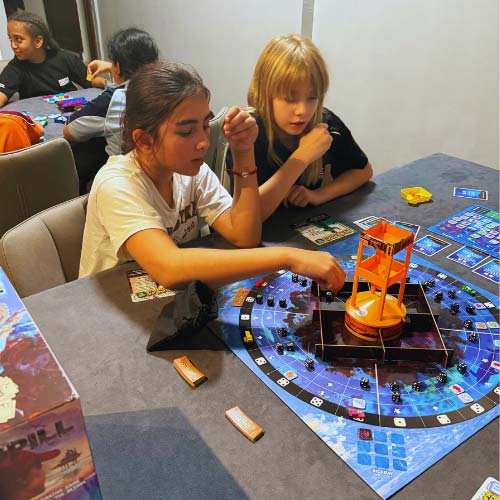
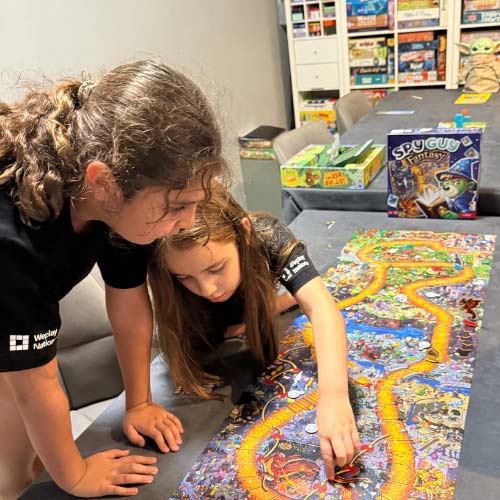
Board games are a low-stakes training ground for emotional regulation and social skills. Turn-taking, rule-following, and waiting for your moment are tiny challenges that build real-life patience. Winning feels great, but losing safely—without the world ending—teaches resilience and the ability to recover after disappointment. Cooperative games take this further by encouraging children to communicate, share information, ask for help, negotiate a plan, and celebrate a group win. Even competitive games can be healthy when the culture is kind, because they teach fairness, impulse control, and how to handle conflict without spiraling.
Games also strengthen attention and flexible thinking. Many titles reward planning, memory, and problem-solving, but they also reward adaptation when your plan fails. That “try, learn, adjust” loop is a life skill: it builds confidence that setbacks aren’t disasters—they’re data. For children who feel overwhelmed by unstructured play, games can be especially comforting because the structure is clear: predictable turns, defined choices, and a shared focus. It’s not about forcing perfect behavior; it’s about giving kids a safe space to practice mistakes, repairs, and second chances.
For Adults
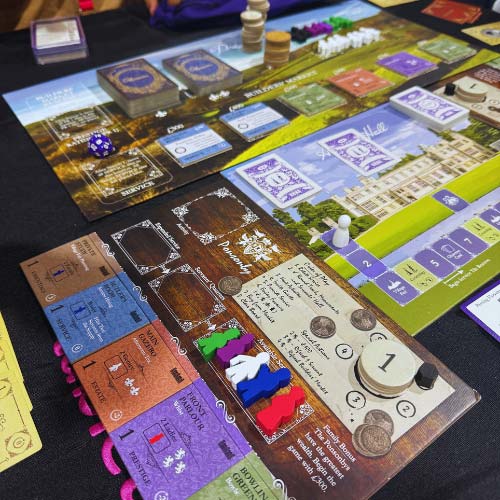
Adults benefit in different, equally powerful ways. Tabletop play is active rest: your mind is engaged, but in a way that’s separate from work demands, notifications, and daily pressure. Games can interrupt rumination by replacing looping thoughts with concrete choices and immediate feedback. Laughter, surprise, and playful competition naturally lift mood, and the ritual of a regular game night becomes an anchor in a busy week—something reliable to look forward to.
Then there’s the social magic.
Board games give people a reason to gather without awkward small talk. The game provides a script: you always have something to do, react to, and talk about. For new friendships, that’s gold. For long relationships, it’s refreshing—you see familiar people in new roles and create shared stories that outlast the session. Across generations, games level the playing field; a child can teach a parent, and a grandparent can outsmart a teenager. That sense of belonging—built one shared table at a time—is one of the strongest protectors of mental health.
Board games aren’t therapy, and they don’t replace professional support when it’s needed. But as a joyful, repeatable habit, they strengthen everyday skills that protect wellbeing: connection, attention, emotional regulation, confidence, and community.