
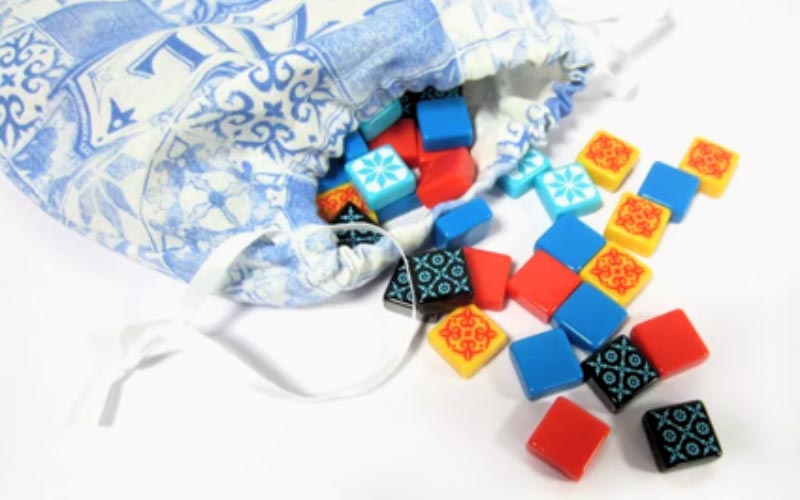
Quick Specs
 Abstract / Family / Tactical Puzzle
 8+
8+ ~1.7/5 (Light–Medium)
 2–4 (best at 2)
 ~30–45 min
 Drafting (factory display), Set Collection, Pattern Building, Tile Placement, Risk Management (overflow penalties)
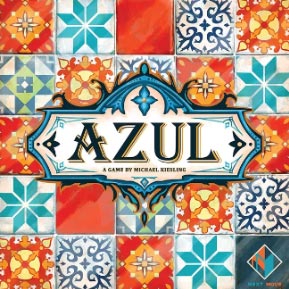
Azul looks like a calm, classy tile-laying game—right up until someone “politely” leaves you a pile of tiles you can’t place and your score takes a dramatic little dive. It’s gorgeous, easy to learn, and weirdly addictive, with that perfect mix of “I’m making something pretty” and “I can’t believe you did that to me.”
What it is
Azul is an abstract puzzle where you draft colorful tiles and build patterns on your personal board to score points. The rules are simple and the turns are quick, but the decisions get spicy fast because every tile you take changes what’s left for everyone else.
The setup
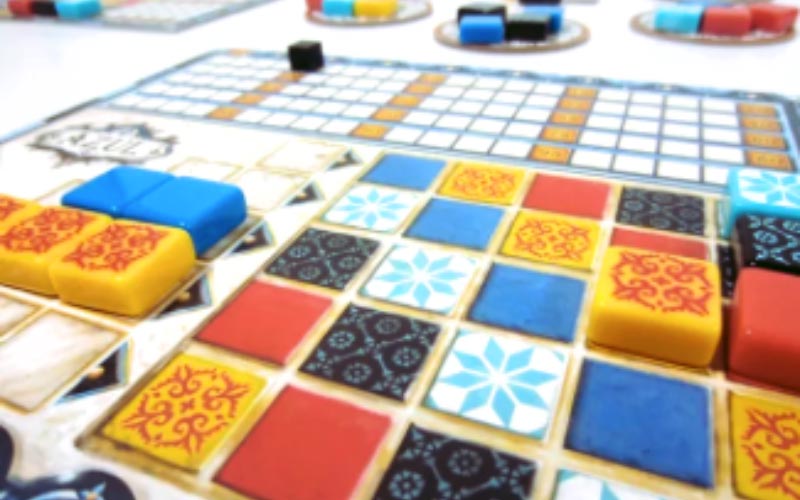
Tiles start the round spread across “factories” in little groups. Each player has a board with pattern rows you’re trying to fill, plus a scoring wall where completed rows get placed for points. There’s also a very important penalty track—because Azul’s favorite hobby is rewarding good planning and punishing greedy hands.
How it plays
On your turn you take all tiles of one color from a single factory (or the center), then push the leftovers into the middle for future picks. You place your taken tiles into one pattern row—buteach row can only hold one color, and anything you can’t place falls to the floor line as negative points. Fill a row, move one tile to the wall, score based on what it connects to, and try not to leave yourself (or your friends) a disaster pile. The tension is constant: do you take the tiles you need now, or do you grab a big set because it’s there… and deal with the consequences later?
Why the pacing works
Table feel
Interaction is indirect but sharp. You’re not attacking pieces, but you’re absolutely watching what others need and occasionally taking it because “it was the correct strategic choice” (said calmly, while everyone glares). It shines at 2 players, where the control and reading-the-round feel tighter, but it’s still great at 3–4 if your group enjoys a little chaos with their tactics.
Who it’s for
- Groups who love quick turns, clean rules, and surprisingly mean decisions
- Players who enjoy tactical drafting, spatial scoring, and small optimizations that add up
- Best for game nights where you want something elegant but competitive
- You’ll like it if you want a puzzle that lets you play smart and petty
Less ideal for
- Not great for players who hate “take that (but polite)” moments
- Avoid if your group wants pure chill vibes with zero blocking
- Also note: if someone is very sensitive to targeted drafting, set expectations early—Azul rewards paying attention
Desert Meeples Beginner Tip + Verdict
New to Azul? Your number one mistake will be taking too many tiles “because it feels efficient.” It’s not efficient if half of them land in the penalty row. Try to keep your floor line clean, prioritize filling rows you can actually complete, and don’t ignore what others are building—sometimes the best move is simply not leaving someone a perfect gift.
Verdict: Azul is a modern classic for a reason: beautiful on the table, simple to teach, and quietly ruthless in play. It’s the kind of game that ends with someone saying, “Okay, again—but this time I’m watching you.”

